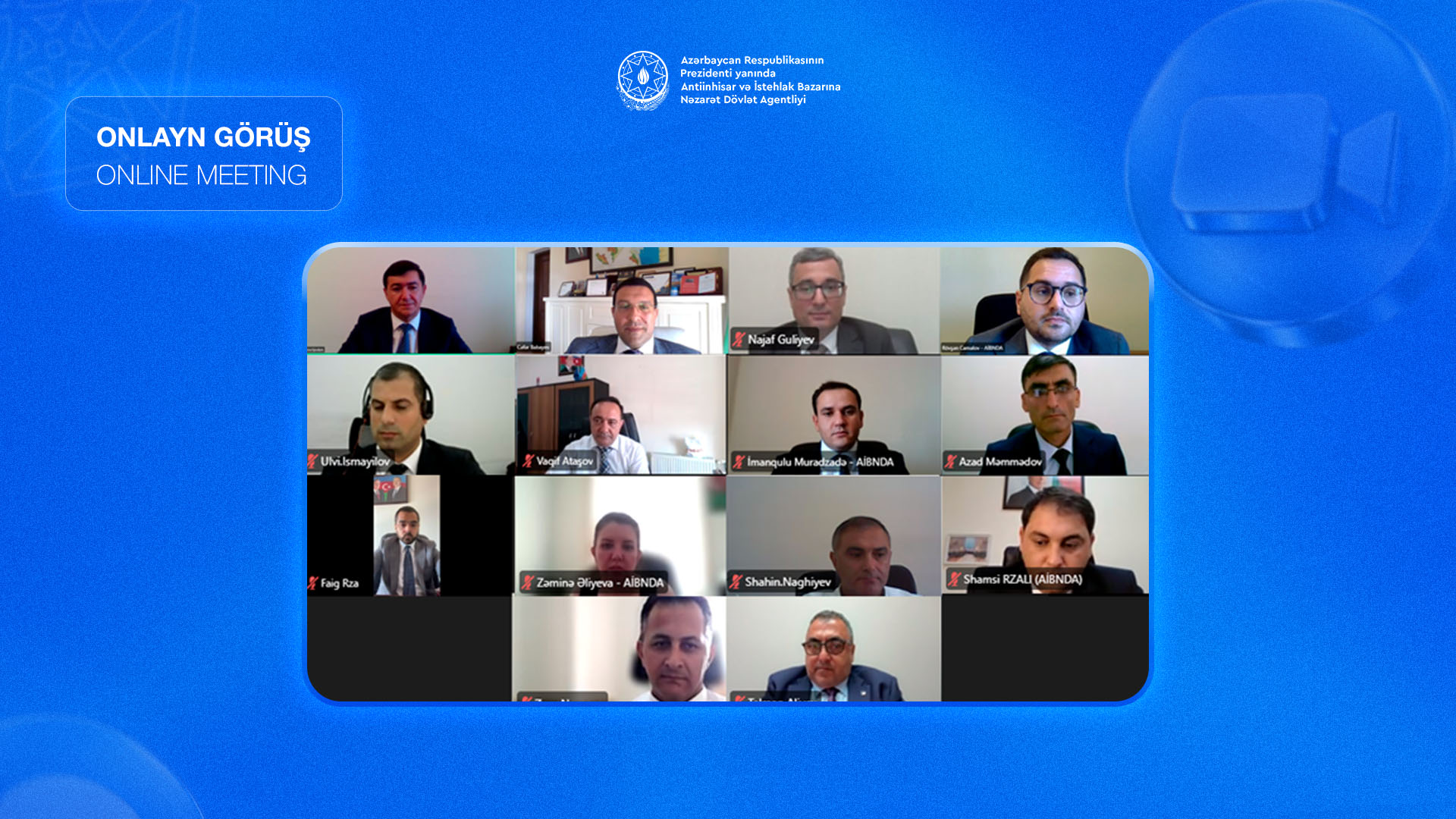
The Azerbaijan Institute of Standardisation (AZSTAND), which operates under the Antimonopoly and Consumer Market Control Agency under the President of the Republic of Azerbaijan (the Agency), organised a panel session on the theme “Shaping green future through standards” at the Azerbaijan Pavilion in the Blue Zone of the 30th Conference of the Parties (COP30) to the United Nations Framework Convention on Climate Change, held in Belém, Brazil.
The main purpose of the panel was to promote the use of international standards as an important tool for achieving sustainable development goals and supporting efforts to address global environmental challenges. The session also aimed to demonstrate how standards guide the adoption of green practices by industry, governments and communities and the building of a sustainable future. In addition, the programme aimed to promote the expansion of sustainable practices through cooperation, innovation and responsible policymaking, and to reinforce the importance of standardisation in building a green, sustainable and inclusive world.
The panel was moderated by Kamala Mammadzada, Deputy Director General of AZSTAND, Acting Director General. The speakers were Umayra Taghiyeva, Deputy Minister of Ecology and Natural Resources of the Republic of Azerbaijan; Faig Mutallimov, Senior Adviser at the Office of the Representative of the President of the Republic of Azerbaijan on Climate Issues; Silvio Dulinsky, Deputy Secretary-General of the International Organization for Standardization (ISO); Ihsan Ovut, Secretary-General of the Standards and Metrology Institute for Islamic Countries (SMIIC); and Dr Bobjoseph Mathew, President of the International Organization of Legal Metrology (OIML).
In the speeches, attention was drawn to the importance of harmonising standards for supporting climate action, contributing to emissions reduction and increasing resource efficiency, particularly in areas such as food technology and water management. In addition, the importance of expanding cooperation between standardisation bodies and government institutions, aligning environmental policies with global best practices and promoting coordinated and effective approaches towards a sustainable, green future was emphasised.